
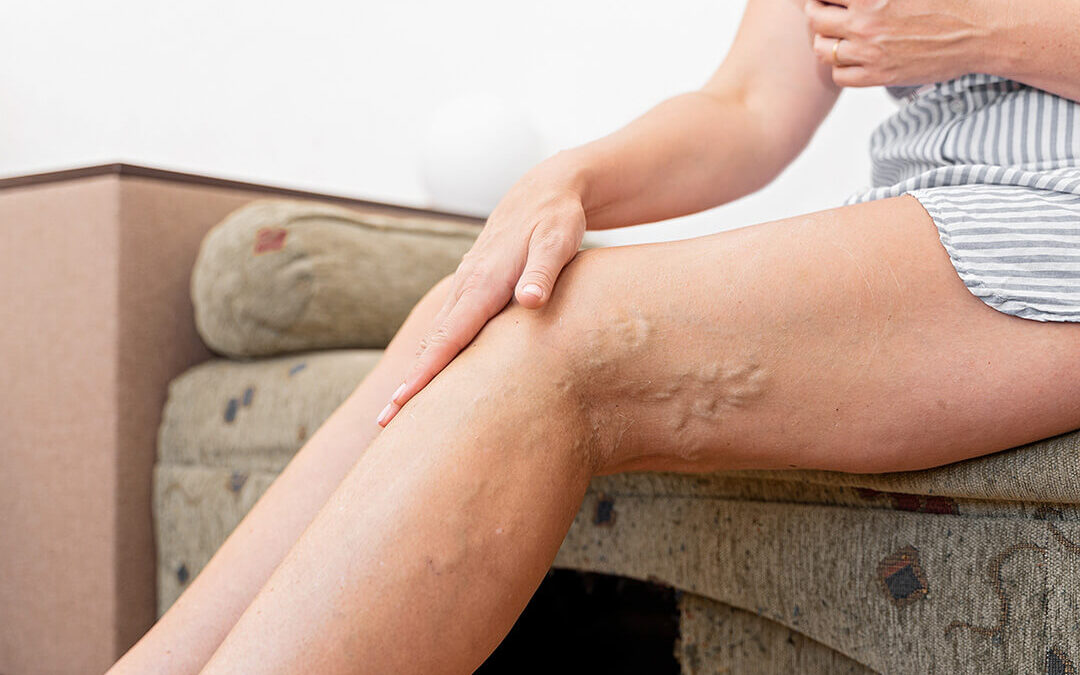
If you have noticed ropy, bulging veins on your legs, or you find yourself dealing with heaviness, aching, or swelling that gets worse as the day goes on, you have probably asked yourself some version of this question: do my veins need treatment, or can I manage it on my own? It is a reasonable question, and the honest answer is: it depends on what is driving your symptoms. This post will walk you through how to recognize the signs of venous disease, what lifestyle measures can and cannot accomplish, and why treating varicose veins sooner rather than later is usually the better choice.
What Is Venous Disease, and How Do You Know If You Have It?
Often, varicose veins are not simply a cosmetic concern. In most cases, they are a visible sign of an underlying condition called chronic venous insufficiency (CVI), which occurs when the valves inside your leg veins stop working properly.
Healthy leg veins have small one-way valves that push blood upward toward the heart. When those valves weaken or fail, blood flows backward and pools in the lower leg. Over time, that pooling causes the vein walls to stretch and bulge, producing the twisted, raised veins you can see beneath the skin.
Although these visible, raised veins are an indication of CVI, they are often not as telling as other symptoms that accompany them:
- Legs that feel heavy or fatigued, especially by late afternoon or after a long shift on your feet
- Aching, throbbing, or a burning sensation in the lower legs
- Swelling of the ankles or feet that is worse in the evening and better in the morning
- Itching or a feeling of tightness around the vein
- Skin changes near the ankle, including discoloration or a leathery texture
- Restless legs at night
These symptoms are not just signs of tired legs; they are your circulatory system signaling that the veins are working harder than they should.
So, do my veins need treatment? Or will exercise, weight loss, or compression stockings fix your veins?
This is one of the most common questions we hear at Stratford Vein Clinic..
Exercise and weight loss are genuinely good for your vascular health. Regular movement, particularly walking and swimming, activates the calf muscle pump, which helps push blood back up the leg and reduces the pressure on your veins. Maintaining a healthy weight reduces the load on your venous system overall. Both of these things matter, and we always encourage them.
But here is the important distinction: exercise and weight loss support your veins, they do not reverse damage that has already been done. Once a venous valve has failed and a vein has become impaired, no amount of lifestyle change will restore its function. The structural problem remains.
Compression stockings work on a similar principle. They apply graduated pressure to the leg, which helps counteract the pooling effect and can significantly reduce swelling, aching, and heaviness. For many patients, compression is an effective way to manage symptoms on a daily basis. Nicole Lefebvre, our registered ultrasound technologist, is trained in compression garment fitting and can help you find the right option for your anatomy and activity level.
The key word, though, is “manage”. Compression stockings control symptoms while you are wearing them. They do not treat the underlying reflux. For patients with mild disease or those who are not yet candidates for intervention, compression is a valuable tool. For patients whose disease has progressed, it is typically part of a broader treatment plan, including recovery, rather than a standalone solution.
The short answer? Lifestyle changes and compression can help you feel better and slow progression, but they cannot reverse venous disease that is already established.
Why Should You Treat Varicose Veins?
Some people live with varicose veins for years, managing the discomfort and assuming treatment is either unnecessary or purely cosmetic. There are a few good reasons why that approach carries more risk than most people realize, why the answer to the question, “Do my veins need treatment?” might be YES.
Venous disease is progressive. Without treatment, the underlying reflux that causes varicose veins does not remain static. Over time, the increased pressure in the veins leads to worsening and more noticeable symptoms and a higher risk of complications including superficial thrombophlebitis (painful inflammation of the vein), bleeding from a vein close to the skin surface, and venous ulcers, which are open sores near the ankle that are notoriously difficult to heal once they develop.
Treatment is more straightforward than most people expect. Modern varicose vein treatment has changed considerably. The procedures we offer at Stratford Vein Clinic, including Endovenous Laser Treatment (EVLT), Ultrasound-Guided Foam Sclerotherapy (UGFS), and Microphlebectomy, are minimally invasive and performed under local anesthetic, meaning patients go home same day with a treatment plan that helps optimize healing and minimize the potential for complications. Most patients return to normal activities quickly.
Earlier treatment means better outcomes. Treating venous disease before it progresses to skin changes or ulceration is significantly more straightforward than treating advanced disease. The window for the most effective, least invasive intervention is not unlimited.
When Should You See a Vein Specialist?
If you are experiencing any of the symptoms described above, or if you have visible varicose veins that are growing more pronounced over time, a consultation is the appropriate next step. Even if you’re asking, “Do my veins need treatment?”, it might be a good enough indication that you should act. You do not need to wait until the problem is severe, and you do not need a referral from your family doctor to see us.
At Stratford Vein Clinic, every patient journey begins with a complimentary consultation and a detailed venous mapping ultrasound performed by our registered vascular ultrasound technologist. This gives our surgeons a precise picture of your venous anatomy before any treatment decisions are made, ensuring that the plan we recommend is the right one for your specific situation.
Your initial consultation is covered by OHIP. No referral required.
If your legs have been telling you something, it is worth listening to them.
Frequently Asked Questions
Can varicose veins go away on their own or do my veins need treatment? No. Once a vein valve has failed and a varicose vein has formed, it will not resolve without treatment. Lifestyle changes and compression stockings can reduce symptoms, but the structural damage to the vein does not reverse on its own.
Is varicose vein treatment covered by OHIP? Your initial consultation at Stratford Vein Clinic is covered by OHIP. For procedures, OHIP covers vein stripping only in cases where venous disease is severe enough to meet OHIP’s qualifying criteria. Most other vein procedures are an out-of-pocket expense. As such, we offer multiple payment options, including flexible financing through Beautifi.
Do I need a referral to see a vein specialist? No. Stratford Vein Clinic accepts self-referrals. You can complete the self-referral form on our website and our Nurse Navigator will follow up with you directly.
How do I know if my varicose veins are serious? Signs that your venous disease may be progressing include worsening swelling, skin discolouration near the ankle, a history of superficial phlebitis, or any open sores on the lower leg. A venous mapping ultrasound performed by a qualified technologist is the most accurate way to assess the extent of your disease.